
Tech Insights
How to Choose a Chlorine Dioxide Sensor?
Chongqing YuanGan Technology offers two ClO₂ sensor families: membraneless (dual platinum, single platinum ring, self-cleaning) and membrane-covered. Both are three-electrode amperometric sensors and respond to chlorine dioxide in water. The difference is how the electrode meets the sample.
In short: High-purity ClO₂ → either membraneless or membrane-covered works. Composite ClO₂ (with residual-chlorine by-products) → prefer membrane-covered. Unsure? Check with a ClO₂ DPD kit plus glycine.
Membraneless vs membrane-covered
| Membraneless | Membrane-covered | |
|---|---|---|
| How it measures | Electrode in direct contact with water | Selective permeable membrane over the electrode |
| Residual chlorine | Residual chlorine (e.g. hypochlorous acid) can also react at the electrode and inflate the reading | With the internal electrolyte, the membrane mainly passes ClO₂ and blocks residual chlorine |
| Best fit | High-purity ClO₂, low residual-chlorine interference | Composite ClO₂ with substantial residual-chlorine by-products |
Selection is driven by disinfectant feedstock type, not by price or “whether it has a membrane.”
Choose by disinfectant type
High-purity chlorine dioxide
Either sensor type is acceptable.
Composite chlorine dioxide (typically sodium chlorate + acid)
The reaction yields ClO₂ plus substantial residual-chlorine by-products (chlorine gas, hypochlorous acid, and related species). A membraneless sensor can count those species and read high. A membrane-covered sensor is strongly recommended for clearer anti-interference performance and more realistic ClO₂ readings.
If you do not know the disinfectant type
Use a ClO₂ DPD handheld kit that includes a residual-chlorine masking agent (glycine). Measure the same sample twice:
- Without the masking agent
- With the masking agent
Then compare:
- Reading barely changes after masking → low residual-chlorine interference → treat as high-purity; either sensor type is fine
- Reading drops significantly after masking → high residual-chlorine interference → treat as composite; prefer membrane-covered
Tips for membrane-covered sensors
- Flow: Flow-sensitive — keep the flow cell within the required range
- Polarization: After moving, cleaning, maintaining, or powering up, wait until the sensor polarizes and stabilizes before reading or calibrating
- Calibration: Calibrate regularly; long gaps cause drift
- Continuous disinfectant: Keep disinfectant present in the sample (recommended > 0.1 mg/L); otherwise the membrane head can foul with bacteria and clog
Related YuanGan models (confirm ClO₂ configuration when ordering)
Membraneless digital disinfectant sensors
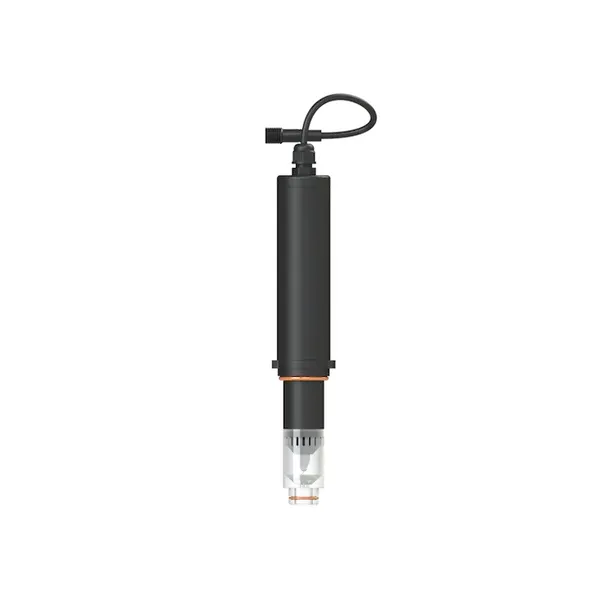
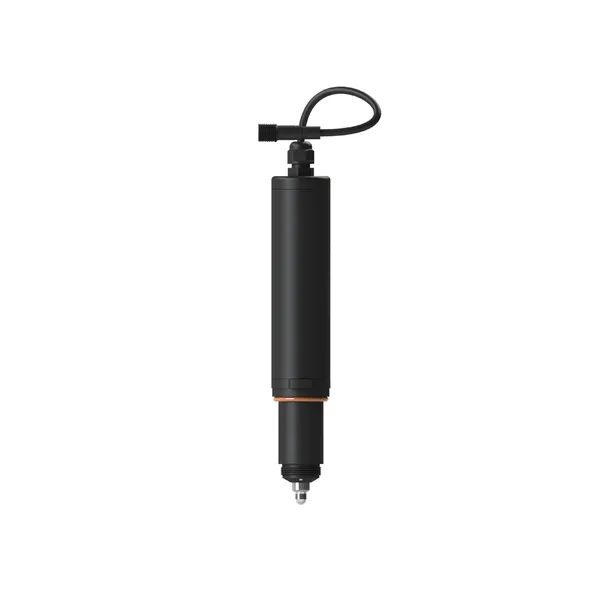
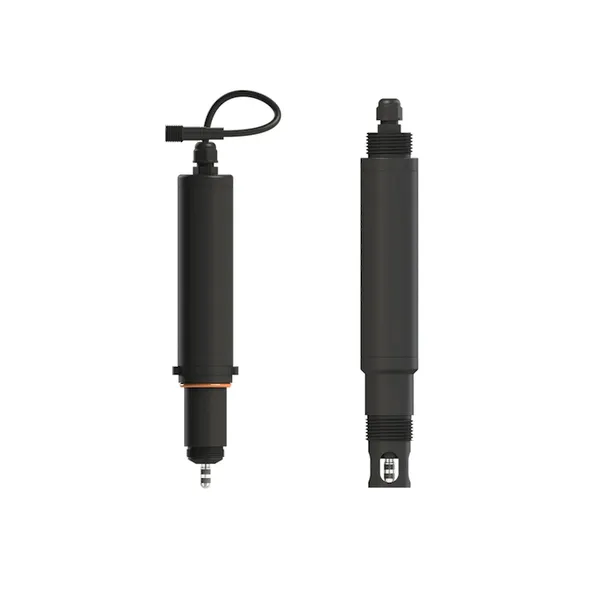
- YG-CC (self-cleaning), YG-CD, YG-CP
Membrane-covered digital disinfectant sensor
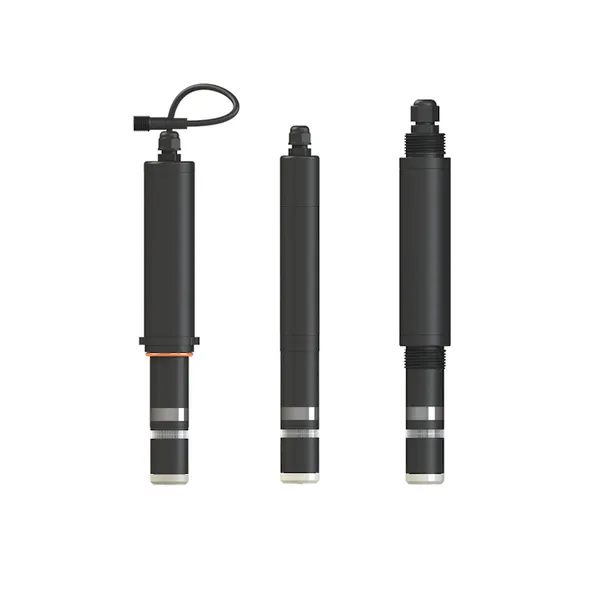
- YG-CM
Matching online analyzers
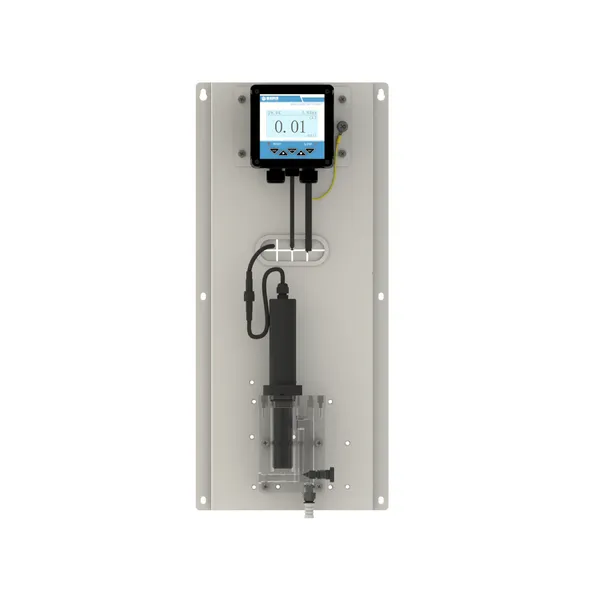
- YG-NHC series (e.g. YG-NHC/21 membrane type)
Talk to our team for ClO₂ sensor selection and datasheets:
- Email: yan@yuangankeji.com