Tech Insights
Self-Cleaning Methods for Residual Chlorine Sensors (Free Chlorine Sensors): A Technical Comparison
Online residual-chlorine sensors use amperometric electrodes that foul and passivate in real water. Equipment makers therefore pair the measurement cell with a self-cleaning or anti-fouling strategy. The table below compares seven approaches commonly seen on residual-chlorine electrode systems—hydraulic rinsing, electrochemical pulsing, mechanical scrubbing, bead polishing, and membrane isolation—so you can balance cleaning performance against hardware complexity, water use, electrode wear, and calibration impact.
Side-by-side comparison
| Method | How it works | Cleaning effect | Advantages | Limitations | Rating |
|---|---|---|---|---|---|
| Water-flow impingement | High-velocity flow washes the electrode and carries surface contaminants away. | Fair | Can be added by retrofitting the flow cell or piping with motorized valves to switch flow paths. Does not damage the electrode or shift working-electrode potential; no recalibration needed after cleaning. | Removes only heavy surface fouling. | ★★☆☆☆ |
| Electrochemical pulse | A high voltage drives hydrogen and oxygen evolution; bubbles lift contaminants off the electrode. | Fair | No additional mechanical hardware. | Removes only heavy surface fouling; needs high-purity electrode materials or the electrode may oxidize or undergo unwanted side reactions; shifts working-electrode potential, so recalibration may be required. | ★★☆☆☆ |
| Water-driven rotating scraper | Sample flow spins a scraper that wipes the electrode surface. | Fair | Simple mechanical design. | Motion clearance limits cleaning to heavy surface fouling; needs relatively high flow, so water consumption is high. | ★★☆☆☆ |
| Motorized brush | A motor drives a brush that continuously scrubs the electrode. | Fair | Constant-speed brushing cleans the electrode and steadily agitates the sample, enabling low water use and tolerance to sample-flow variation. | Limited brush life; motor must be highly reliable (higher cost); removes only heavy surface fouling. | ★★☆☆☆ |
| Water-driven bead collision | Flow keeps beads colliding with the electrode for a mild polishing effect. | Good | Simple structure; relatively effective cleaning. | Needs high flow (high water use); slight electrode wear (platinum is recommended; gold is too soft). | ★★★☆☆ |
| Motor-driven bead agitation | A motor moves beads against the electrode for a polishing effect. | Good | Strong cleaning performance; low water use and tolerance to sample-flow variation. | Motor reliability required; higher cost. | ★★★☆☆ |
| Membrane + electrolyte | A diaphragm separates the working electrode from bulk sample so contaminants cannot reach the active surface. | Good | Membrane buffers flow-rate effects on measurement; internal electrolyte buffers pH effects on measurement. | High R&D difficulty for membrane and electrolyte formulation; periodic membrane-head and electrolyte replacement (every 3–6 months). | ★★★★☆ |
Takeaways
- Fair-rated mechanical methods (impingement, electrochemical pulse, scrapers, brushes) are widely used but mainly dislodge heavy surface fouling; several also demand high flow, extra hardware, or post-cleaning calibration.
- Bead-based polishing (flow-driven or motor-driven) reaches good cleaning in this comparison, with motor-driven agitation saving water at the cost of a reliable drive.
- Membrane plus electrolyte scores highest here because fouling is kept off the working electrode, with added buffering against flow and pH swings—traded against membrane chemistry development and 3–6 month consumable replacement.
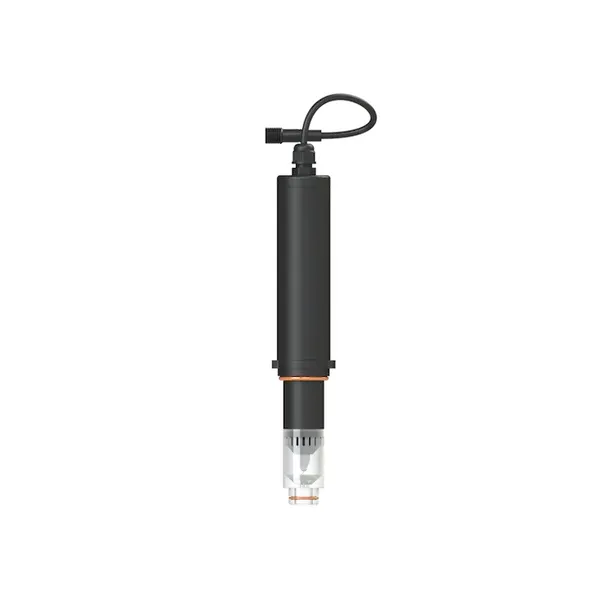
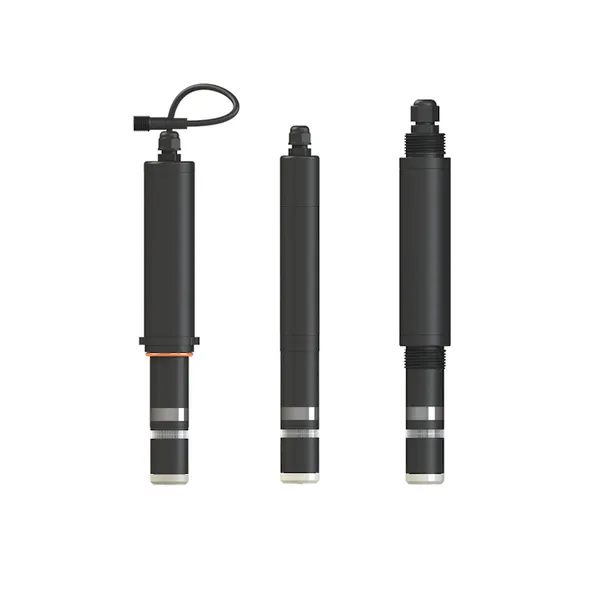
For YuanGan disinfectant / residual-chlorine hardware that uses self-cleaning or membrane isolation, see the YG-CC self-cleaning sensor and YG-CM membrane-covered sensor families in our catalog.